From the Production Journal · August 2026
Crazy Street Riders at Eastern State Penitentiary
Preserving an under-recorded chapter of Black Philadelphia and skateboarding history connected to Eastern State Penitentiary.
Donate to Crazy Street Riders ↗Public fundraising is now live.
Around the then-abandoned Eastern State Penitentiary, before this chapter of Philadelphia skateboarding history was widely documented, a group of young Black riders was already building, riding, and defining a space of its own.
The Crazy Street Riders—known as CSR—formed around friendship, ingenuity, and a shared determination to skate. Their homemade ramp near Eastern State Penitentiary became a setting where the crew developed its identity, gathered as a community, and pushed the possibilities of what could be done on a board.
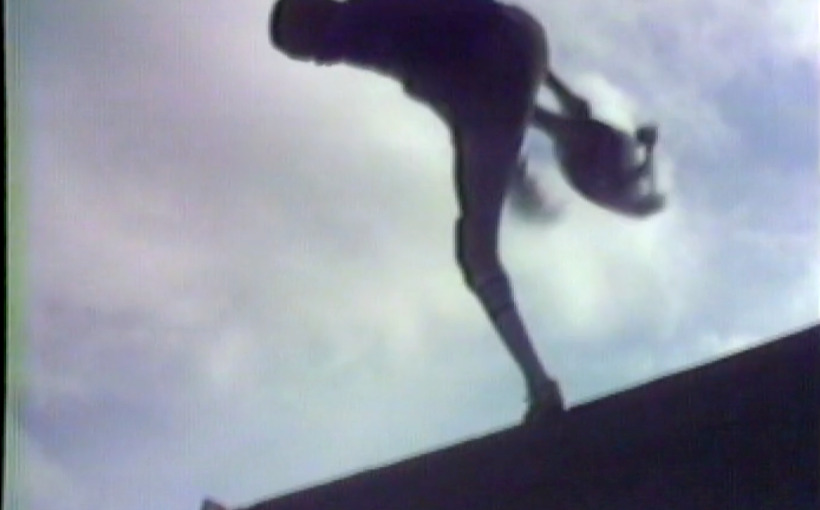
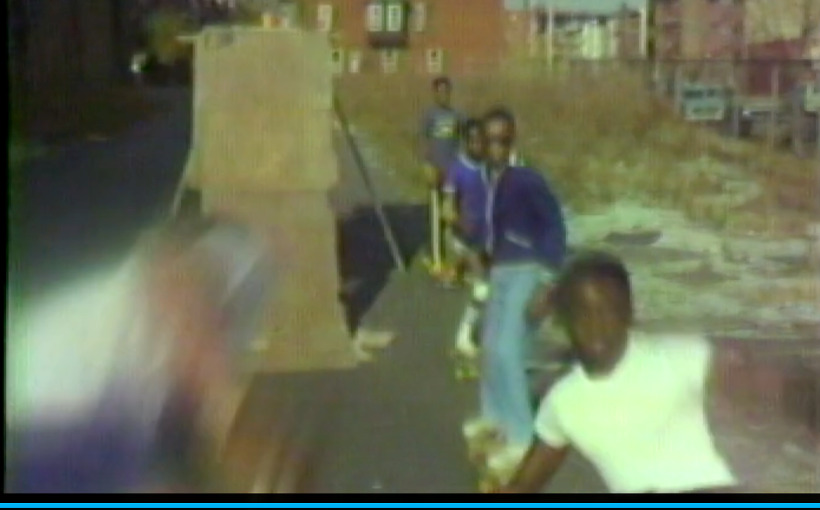
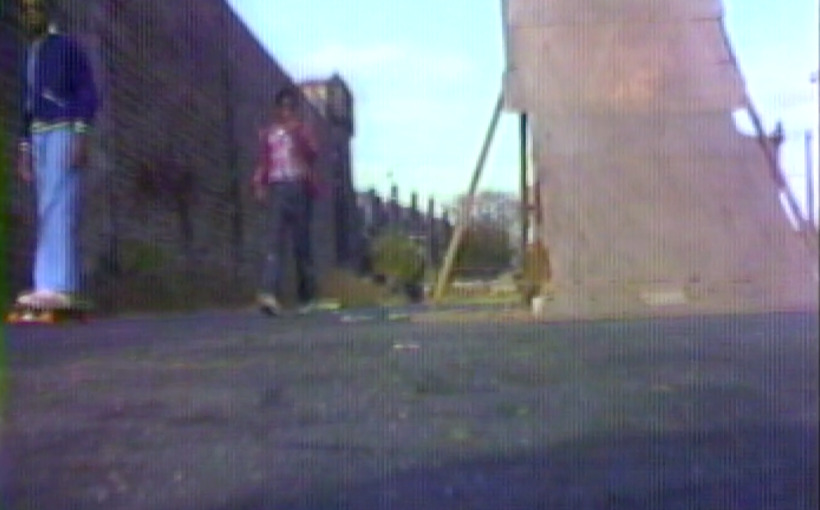
Archival footage associated with the Eastern State site preserves fragments of that world: riders moving at speed, friends gathered beside the ramp, the prison wall and surrounding setting, and a handmade sense of place. Members visible in the footage include Andre Carter, Darren Carter, and Adam, along with other riders whose identities are still being researched.
Blue Morrocco Productions is pairing those images with recorded memories from the people who were there. The goal is not to fill the gaps with guesses. It is to let firsthand voices and surviving evidence establish the history carefully.
An Oral History Discovery
The Sign at the Ramp
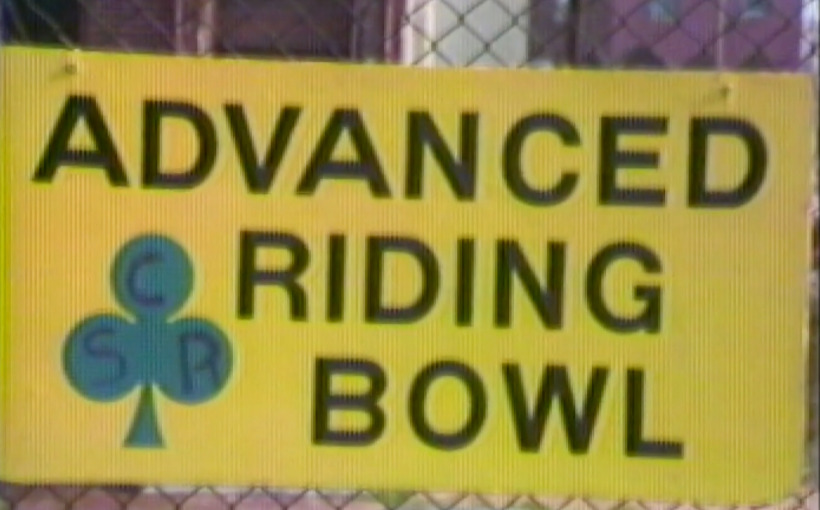
Visible in the archival footage is an “Advanced Riding Bowl” sign displayed at the Crazy Street Riders’ homemade ramp near Eastern State Penitentiary. According to Andre Carter, he obtained the original sign elsewhere, and the crew added the CSR name before placing it at their skating spot.
It was not the official name of a commercial skatepark. It became part of the identity the riders created around their own space—a visible marker of the crew’s presence and history.
Andre’s complete account of the sign’s origin is being preserved for the documentary.
In Development · Fiscal Sponsorship Live
The Crazy Street Riders project is in active oral-history and documentary development. Original-rider interview preparation, participant identification, archival research, rights work, and artifact discovery are continuing as Blue Morrocco Productions builds the historical record with the riders and community.
Crazy Street Riders is fiscally sponsored by the Greater Philadelphia Film Office. The project is now accepting public support for its first major interview and oral-history production phase.
Have a memory, photograph, object, or firsthand connection to the Crazy Street Riders? Blue Morrocco Productions welcomes historically relevant material and community recollections.
Preserve the Story. Preserve the History.
Help move Crazy Street Riders into its next production phase.
Your support helps fund formal oral-history interviews, professional production, archival research and preservation, rights and clearances, and the work required to carry this Philadelphia history forward.
- First-phase goal: $75,683
- Original riders participating
- Rare 1979 moving-image material identified
- GPFO fiscal sponsorship active
“Contributions to the Greater Philadelphia Film Office pursuant to this solicitation are primarily for the support of Crazy Street Riders that has been approved and is being sponsored by the Film Office in accordance with its purposes and guidelines.”